thistlemore.org Mineral Spa Lodge thistlemore.org Book Your Soak
Book Your Soak

What Makes Mineral Spring Water Special for Your Skin

Mineral-rich waters contain calcium, magnesium, and silica. We break down which minerals do what and why centuries-old spas still rely on them today.

7 min read Beginner March 2026
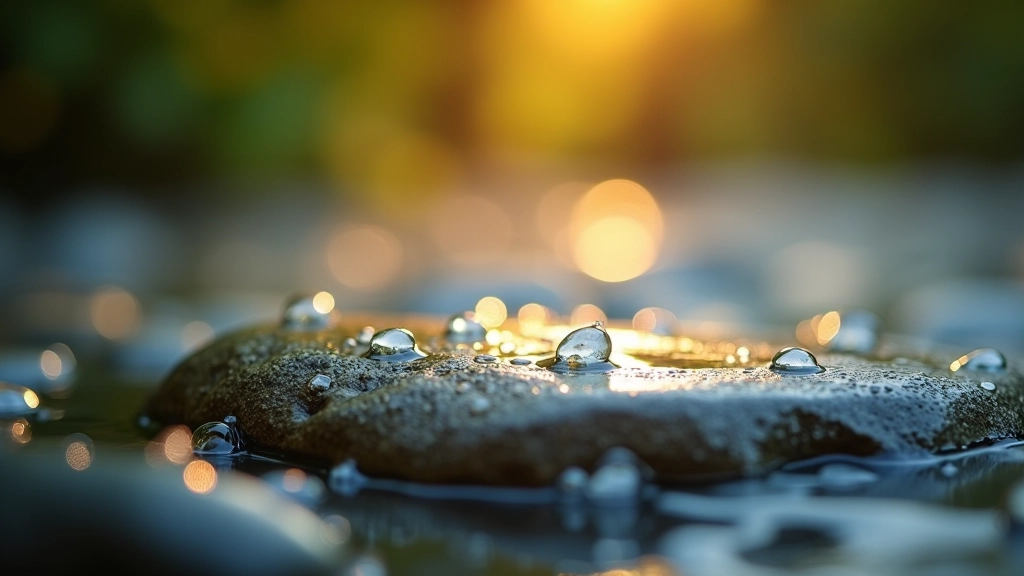
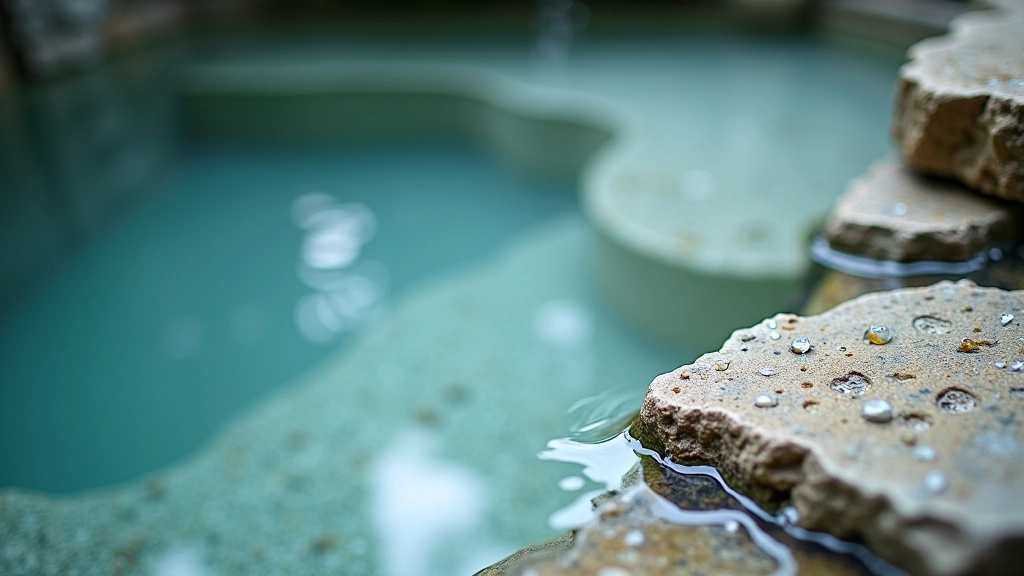
Close-up macro photograph of mineral water droplets on smooth stone surface with soft natural lighting

Why Mineral Water Isn't Just Regular Water

There's a reason thermal spas have been thriving for thousands of years. It's not magic — it's chemistry. When water travels through layers of rock and mineral deposits deep underground, it absorbs naturally occurring elements that transform it into something genuinely different from what comes out of your tap.

Your skin is your largest organ, and it responds noticeably to mineral-enriched water. We've spent time studying the actual science behind this, and what we found is pretty compelling. The minerals don't just sit on your skin's surface — they're absorbed and create measurable changes in hydration, elasticity, and overall appearance.

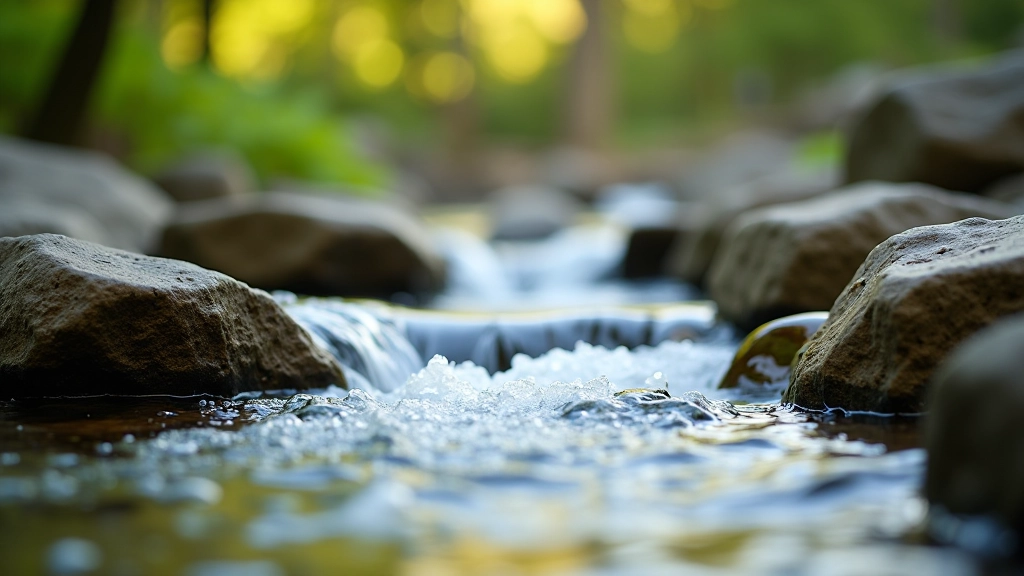
Crystal clear mineral spring water flowing gently over smooth river rocks with mountains in soft-focused background

The Four Key Minerals Your Skin Actually Craves

Not all minerals are equal. These four do the heavy lifting.

Magnesium

This is the one that reduces inflammation. If your skin gets irritated easily or you're dealing with redness, magnesium-rich water helps calm things down. It works by regulating your skin's natural oil production and strengthening your skin barrier. Most people notice less sensitivity within a week of regular soaking.

Calcium

Think of calcium as your skin's structural support. It firms up the dermis layer and improves elasticity. You'll see this in better skin texture and reduced fine lines, especially around sensitive areas like your neck and under-eye region. It's why calcium-rich mineral baths are so popular with people over 40.

Silica

Silica strengthens collagen production. Your body uses this mineral to literally rebuild connective tissue. The result? Firmer, more radiant skin that looks genuinely refreshed. Many thermal spas specifically market their high silica content because it's one of the most visible benefits users experience.

Potassium

This mineral balances your skin's moisture levels from the inside. It helps your skin retain water better, so you get that plump, hydrated glow. Potassium also supports your skin's natural detoxification process, which is why you'll often feel refreshed after a mineral bath, not just physically but genuinely cleaner.

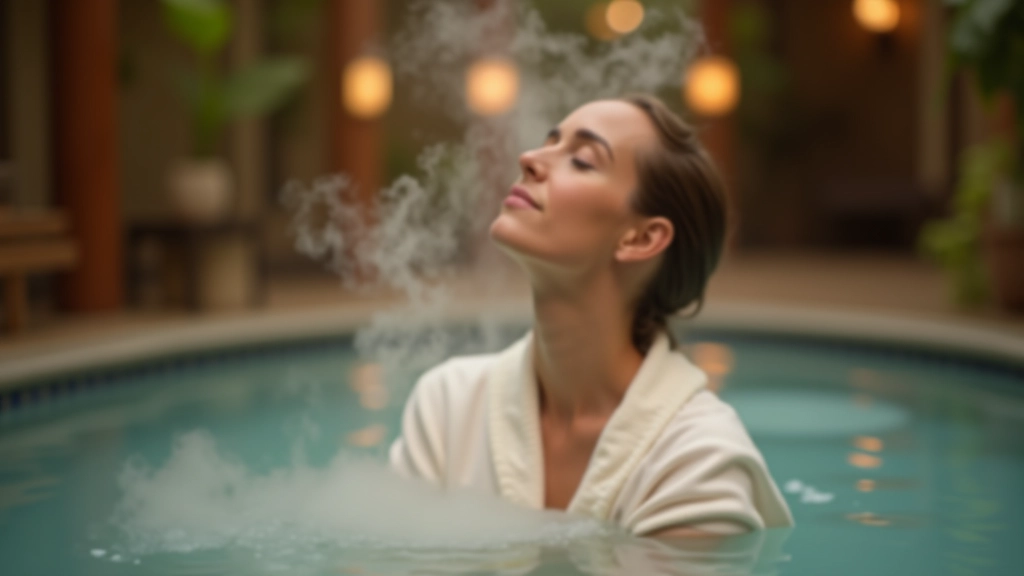
Woman relaxing in mineral spring water spa with eyes closed, peaceful expression, soft steam visible, wellness environment

How Your Skin Actually Absorbs These Minerals

Here's where it gets interesting. Your skin doesn't just passively soak up minerals like a sponge. Your body actively pulls them through your skin barrier in a process called transdermal absorption. When you're immersed in mineral water, the warmth opens your pores and increases blood flow to your skin's surface.

The minerals dissolve in the water, which allows them to penetrate deeper than topical products ever could. A 20-minute soak at the right temperature (around 104-106°F) gives your skin enough time to absorb meaningful quantities of these elements. You're not just feeling relaxed — your skin is literally rebuilding itself at a cellular level.

Most people don't realize this, but consistent soaking creates cumulative benefits. The first soak feels nice. By your third or fourth session, you'll notice actual texture changes. After 6-8 weeks of regular soaking, the improvements become obvious to people around you — better skin tone, fewer visible breakouts, a noticeable glow that doesn't fade quickly.

What People Actually Experience (Real Timeline)

Don't expect overnight changes, but do expect noticeable shifts.

Week 1-2

Initial Hydration Boost

Your skin feels noticeably softer and more supple immediately after soaking. This is the minerals working on surface hydration. The effect is temporary at first, but with repeated exposure it becomes longer-lasting.

Week 3-4

Visible Texture Improvements

Fine lines look less pronounced. Skin texture becomes more even. You'll probably notice reduced irritation if you've had any inflammation or sensitivity. Breakouts tend to clear faster too.

Week 5-8

Structural Changes

This is when people around you start noticing. Your skin looks firmer and more radiant. The glow isn't just from feeling relaxed — it's from improved collagen production and better cellular turnover. Skin tone becomes more even and luminous.

How to Get the Maximum Benefit From Your Soak

Not all mineral water experiences are created equal. Here's what actually matters:

  • Water temperature: 104-106°F is ideal. Too hot and you'll strip your skin's natural oils. Too cool and the absorption slows down.
  • Duration: 20-30 minutes is the sweet spot. Your skin absorbs most minerals in the first 20 minutes, but extending to 30 doesn't hurt and increases relaxation benefits.
  • Frequency: 2-3 times weekly is when you'll see real results. Once weekly maintains benefits, but won't create significant improvements.
  • Hydration: Drink water before and after soaking. You're sweating and releasing toxins — you need to replenish your body's water levels.
  • Avoid products immediately after: Don't apply heavy creams or makeup for at least an hour. Your pores are open and your skin is actively absorbing. Let it finish the process naturally.
Close-up view of mineral-rich spa water with visible mineral deposits on stone surface, natural geological formations

Why Spas Have Relied on This for Centuries

The earliest documented thermal spa use dates back to Roman times, but many cultures — Japanese, Korean, Turkish — have been soaking in mineral waters for over 2,000 years. They weren't doing this based on intuition alone. Ancient healers observed real, consistent results.

"The waters heal what the body cannot heal alone. This is not belief — it is observation."

— Traditional spa philosophy, passed down through generations

Modern dermatology confirms what these cultures knew intuitively. The mineral composition of thermal springs creates measurable improvements in skin health. What's changed isn't the effectiveness — it's our ability to understand exactly why these minerals work. We can now measure collagen production, hydration levels, and cellular turnover with precision.

Today, thermal spas aren't relics of ancient wellness practices. They're validated by contemporary skin science. Every major luxury spa in the world has mineral water sourced from specific geological locations because they know the mineral profile matters. You're not paying for tradition — you're accessing proven biology.

The Bottom Line

Mineral spring water works because of actual chemistry, not marketing. Your skin absorbs calcium, magnesium, silica, and potassium through a well-understood biological process. These minerals then support collagen production, reduce inflammation, improve hydration, and strengthen your skin barrier.

You won't see results from a single soak, but consistent exposure creates noticeable changes within 4-8 weeks. The texture improves. Fine lines soften. Inflammation decreases. Your skin's natural glow returns.

Whether you're accessing a private soaking room at a thermal spa or exploring the mineral springs in Upstate New York's woodlands, you're tapping into something that's worked for thousands of years — backed by modern science. That's worth understanding, and it's definitely worth experiencing.

Ready to Experience Mineral Water Benefits?

Explore our private soaking rooms and thermal experiences designed around centuries of wellness tradition.

Learn About Soaking Rooms

Important Information

This article is informational and educational in nature. While mineral water has been used for wellness purposes for centuries and modern research supports many of its benefits, individual results vary. The information here doesn't replace professional medical advice. If you have specific skin conditions, are pregnant, have cardiovascular concerns, or take medications that might be affected by heat exposure, consult with your healthcare provider before using thermal mineral baths. Everyone's skin chemistry is different, and what works beautifully for one person might require adjustment for another.