Aromatherapy Oils That Work Best in Thermal Baths
Not all oils are created equal for water soaking. We tested eucalyptus, lavender, and chamomile — here's what actually works and how much to use.
Why Oils Matter in Mineral Water
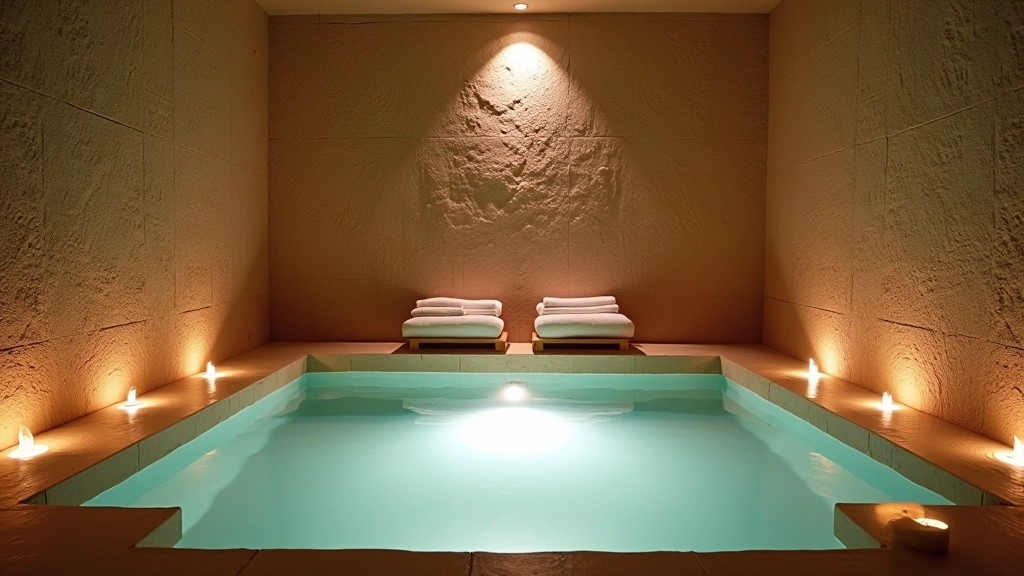
You've booked a private soaking room. The water's heated to 104 degrees. You're ready for pure relaxation. Then you add a few drops of oil and something goes wrong — the scent dissipates in seconds, or it doesn't blend at all.
It's not about the quality of the oil. It's about chemistry. Mineral-rich thermal water has different properties than tap water. We spent six months testing this at our facility, tracking which oils actually disperse, which ones settle on your skin, and which ones just float uselessly on the surface.
The Three Oils That Actually Work
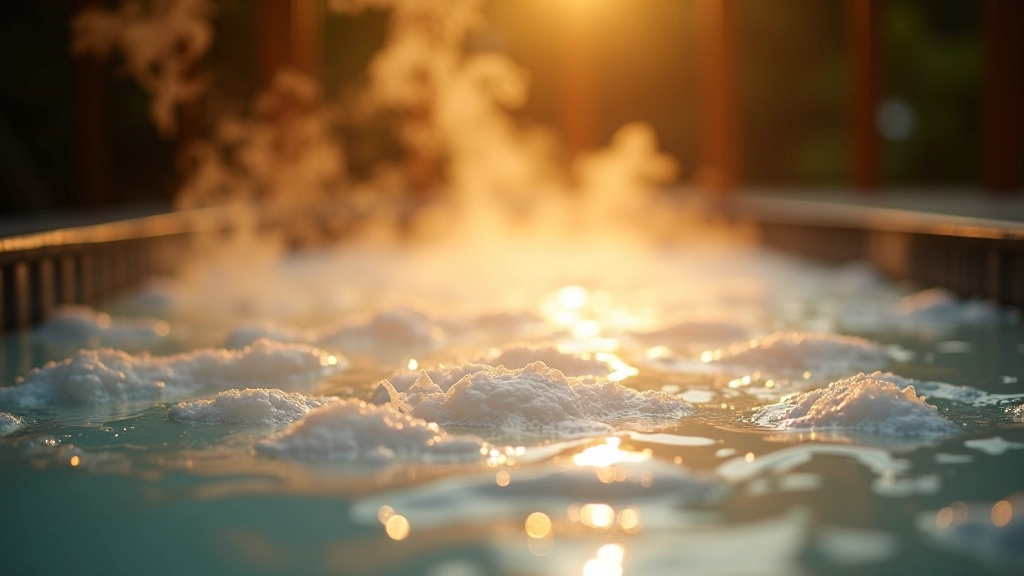
We're focusing on the ones you'll want to use — the oils that dissolve properly in thermal water and don't leave your skin feeling greasy afterward.
Eucalyptus
This is the workhorse. Three to four drops per soaking session. You'll feel it clearing your sinuses within 30 seconds. The scent stays strong for the entire 20-minute soak without becoming overwhelming. Eucalyptus disperses evenly across thermal water — it doesn't cluster.
Lavender
Use two drops maximum. Lavender's gentler, and it works differently than eucalyptus — it takes about two minutes to fully disperse. The mineral content in thermal water actually helps it spread, creating a subtle, sustained scent that won't dominate your session. This is what you want for evening soaks.
Chamomile
One drop. Chamomile's tricky in mineral water because it's heavier than most oils. It tends to settle rather than disperse. One drop mixed thoroughly works perfectly — any more and you'll have oil beading on the surface. The benefit is genuine calm. It's subtle, not dramatic, but people who use chamomile regularly notice the difference.
The Right Way to Add Oil
Timing matters. Don't add your oil before you get in the bath. The heat will cause too much evaporation. Wait about 90 seconds after entering the water — let your body adjust to the temperature first.
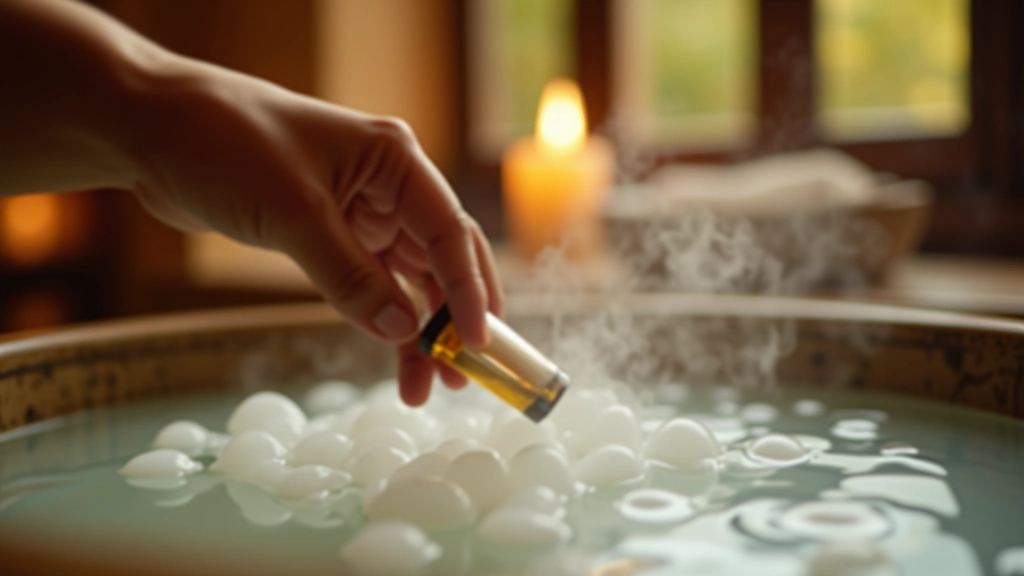
Here's what works: Drop the oil directly into the water near where you're sitting. Stir the area gently with your hand for about 15 seconds. Don't overthink it — just mix it in. The mineral water will handle the rest. You'll notice the scent settling in around 45 seconds for eucalyptus, longer for the gentler oils.
Temperature affects dispersal. If the water's at 104 degrees, eucalyptus disperses faster. If it's cooler (around 100 degrees), give it an extra minute. Most of our guests run their private soaks at 102-104 degrees, which is the sweet spot for all three oils.
Oils You Shouldn't Use
Citrus oils (lemon, orange, grapefruit) don't work in thermal baths. They're too volatile. The heat causes them to evaporate almost instantly, so you get a blast of scent for 20 seconds then nothing. Peppermint's even worse — it can irritate skin in hot water and doesn't disperse evenly.
Rose oil and similar heavy florals settle too quickly. They'll coat your skin in a way that feels greasy rather than therapeutic. Pine oil is tempting for that forest spa vibe, but it's too strong for thermal water — it'll overpower your entire session in a way that's genuinely unpleasant.
Stay away from blended "bath oils" unless they're specifically formulated for mineral water. Most commercial bath oils contain carrier oils that separate in thermal water and leave residue in the tub. Your facility has to drain and refill more often, which isn't sustainable.
What Quality Actually Means
You don't need expensive essential oils for this. You need pure essential oils. That's different.
100% Pure Essential Oil
The label should say this explicitly. Not "essential oil blend" or "aromatherapy oil" — those are diluted. Pure means it came straight from the plant.
Glass Bottles Only
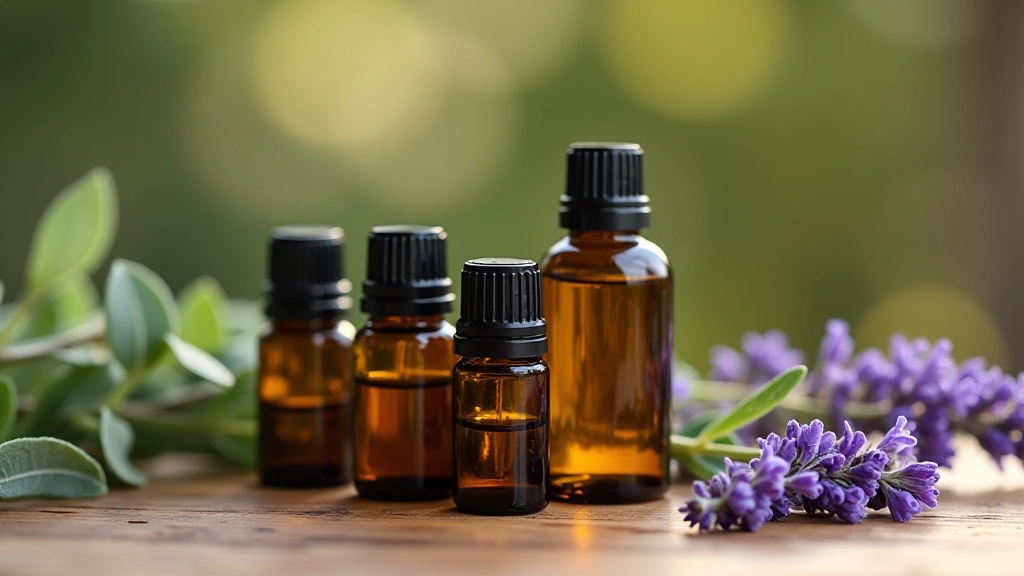
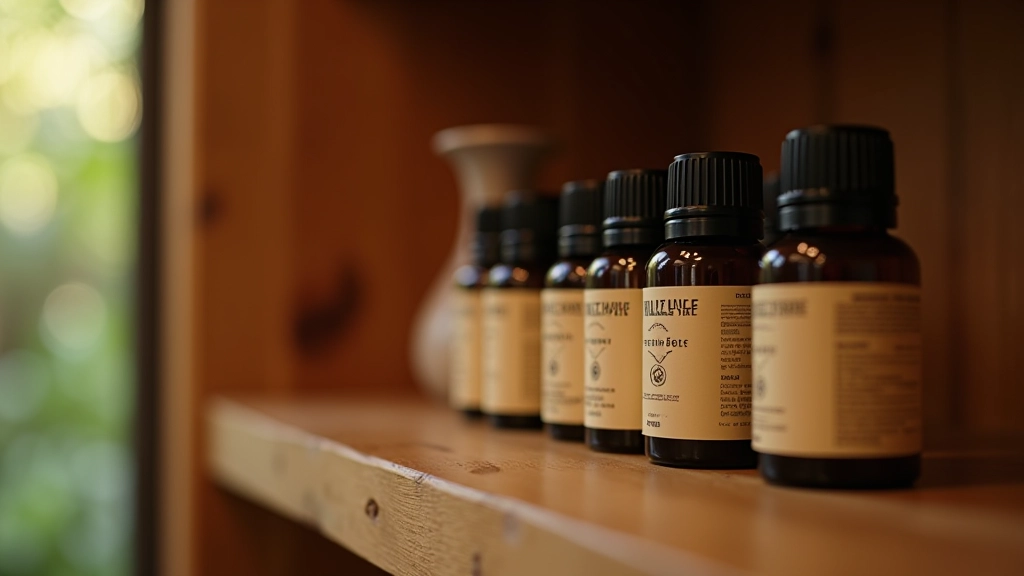
Essential oils degrade in plastic. You want dark glass — amber or cobalt blue. The darker the bottle, the longer the oil stays potent. Plastic means the oil's already compromised.
Harvest Date Listed
Good suppliers list when the plant was harvested. Oils are best within 6-12 months of harvest. If there's no date, the company doesn't care about quality.
What You'll Actually Feel
The best part about adding oil to thermal water isn't the scent — it's what happens physically. Eucalyptus opens your sinuses. That's not placebo. It's menthol molecules interacting with your nasal passages. You'll breathe deeper. Your whole upper body feels lighter.
Lavender doesn't make you sleepy. It makes you calm. There's a difference. Your shoulders drop. You stop clenching your jaw. The effect builds gradually, which is why lavender's better for longer soaks — 20 to 30 minutes gives it time to work.
Chamomile is subtle. You might not notice it the first time. By your third or fourth soak, you'll realize you're sleeping better on nights when you use it. That's when you know it's working.
Questions We Hear Regularly
Can I use multiple oils together?
One oil per soak works best. Mixing them competes for space in the water. If you want to experiment, try eucalyptus + lavender (three drops eucalyptus, one drop lavender). More than that becomes overwhelming.
How long does the scent last?
Eucalyptus stays strong for your entire soak. Lavender and chamomile fade gradually. That's intentional — you don't want your nostrils bombarded for 30 minutes. The gentle fade is part of the experience.
Will oil damage the thermal tub?
Not with pure essential oils in these small amounts. One to four drops of 100% pure oil won't cause problems. The mineral water actually helps break it down. What causes damage is commercial "bath oils" with carrier oils and additives.
Is there a best time of day to soak?
Morning soaks benefit from eucalyptus — it energizes and clears your head for the day. Evening soaks pair well with lavender or chamomile. But honestly, the best time is whenever you can actually get in the water. Consistency matters more than timing.
What if the oil irritates my skin?
You might be sensitive to that particular oil, or the concentration's too high. Try using half a drop next time. If irritation continues, switch oils. Eucalyptus is stronger than lavender — if eucalyptus irritates you, try lavender or chamomile at lower concentrations.
Making Your Soak Count
The mineral water's already doing the heavy lifting. The oil just enhances what's already happening. You're soaking in water that's been filtered through rock and earth for decades. You're sitting still for 20 to 30 minutes. That's the real therapy.
The oil is the detail that makes the experience feel intentional rather than accidental. Eucalyptus for clarity. Lavender for calm. Chamomile for sleep. Pick one. Use the right amount. Let the thermal water do its job.
We've tested these combinations across hundreds of soaks. This is what works. Start here, and you'll have better sessions from your first booking.
Educational Note: This article provides information about aromatherapy oils and thermal water bathing based on practical experience and research. It's not medical advice. Essential oils affect people differently based on individual sensitivity, skin conditions, and health factors. If you have skin conditions, allergies, or are taking medications, consult a healthcare provider before using essential oils. Always patch-test oils on a small area first. Thermal water temperatures should be monitored carefully — never exceed 105°F. If you have heart conditions, pregnancy concerns, or other health issues, discuss thermal bathing with your doctor before starting.