
What Makes Mineral Spring Water Special for Your Skin
Mineral-rich waters contain calcium, magnesium, and silica. We break down which minerals do what and why centuries-old spas still rely on them today.
Read MoreDiscover century-old spring water bathing practices, private soaking experiences, and the art of thermal relaxation in the heart of New York's natural wellness landscape.
Learn about the science behind mineral-rich waters, aromatherapy techniques, and how to incorporate spa traditions into your wellness routine. Plus, explore woodland paths that connect you to nature.
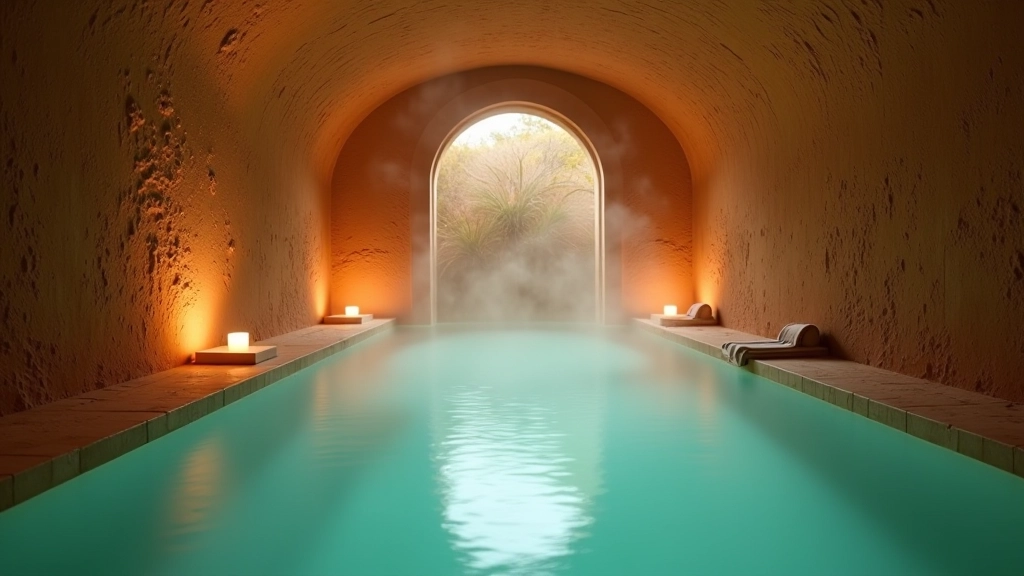
Explore in-depth resources about thermal bathing, mineral water benefits, and spa wellness practices.
Mineral-rich waters contain calcium, magnesium, and silica. We break down which minerals do what and why centuries-old spas still rely on them today.
Read More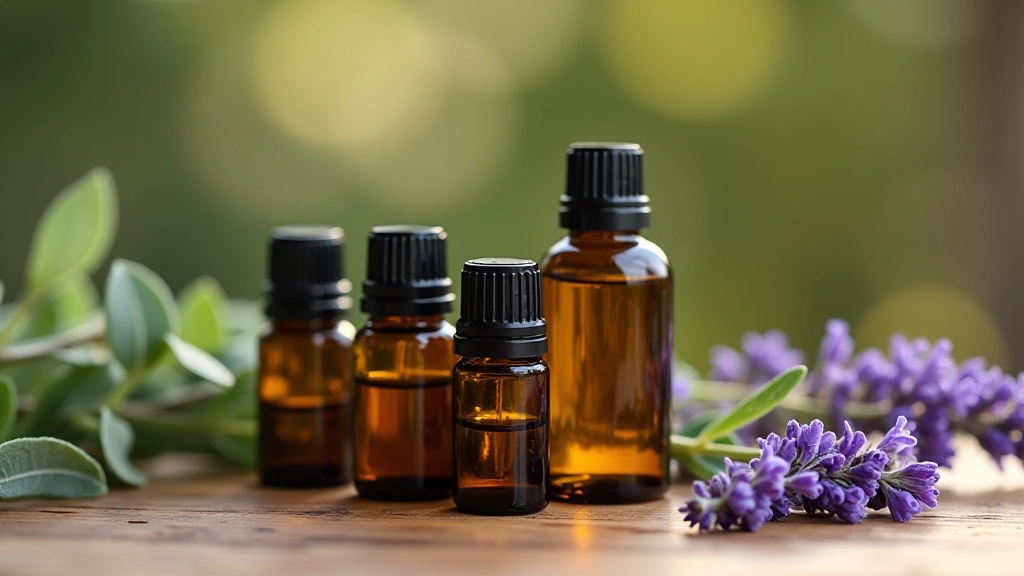
Not all oils are created equal for water soaking. We tested eucalyptus, lavender, and chamomile — here's what actually works and how much to use.
Read More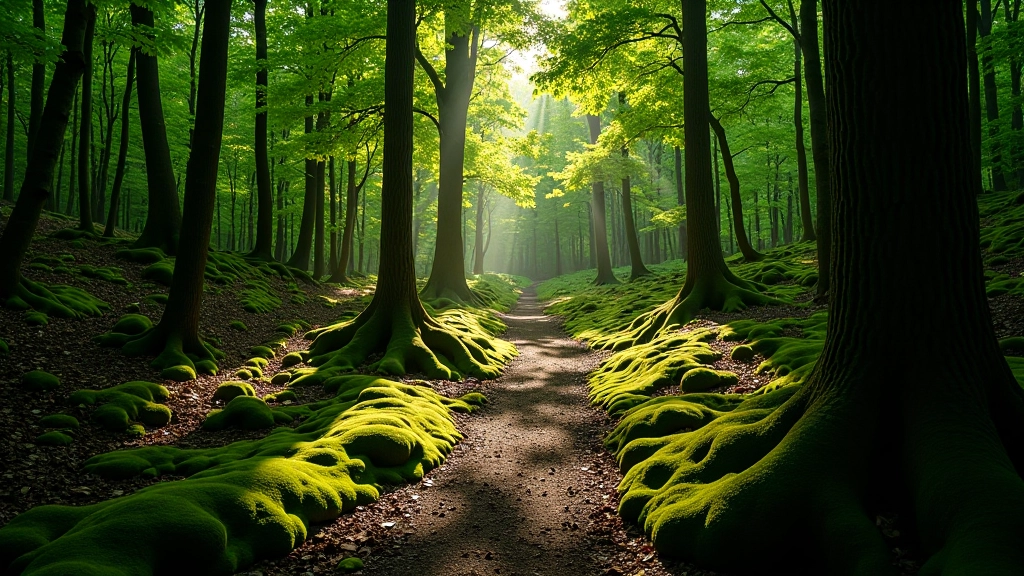
The best spa experiences pair mineral bathing with nature immersion. We show you how to structure a full day that includes both relaxation and woodland exploration.
Read More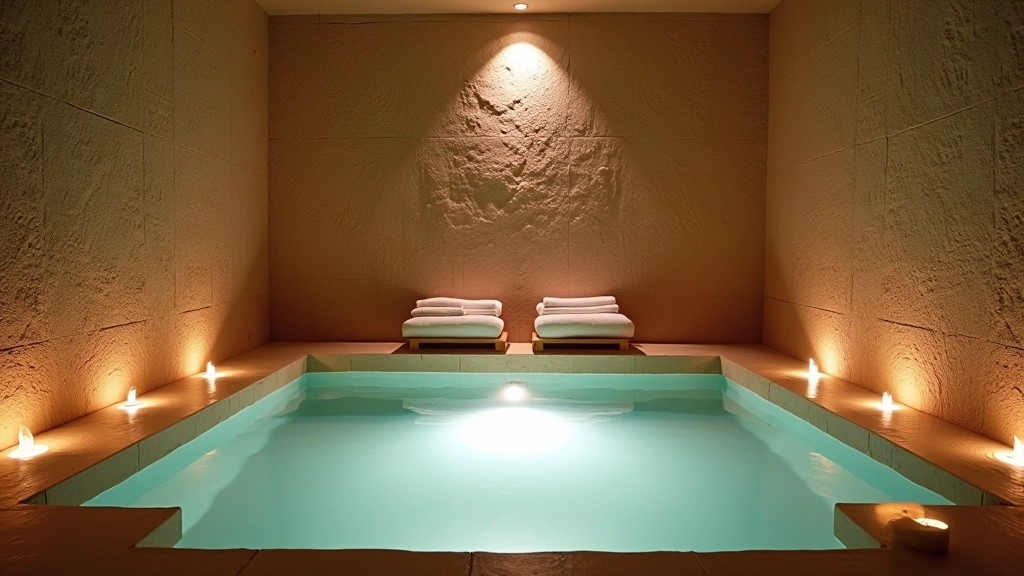
Private soaks offer unmatched relaxation. This guide covers what to expect, how long to stay, temperature recommendations, and how to prepare mentally for deep relaxation.
Read MoreThese aren't just ancient traditions. Modern wellness science confirms what people have known for centuries.
Mineral springs have drawn people for thousands of years. That's not superstition — it's because thermal waters actually work. The warmth increases blood circulation. The minerals absorb through your skin. Your muscles relax in ways that regular baths can't replicate.
You'll notice differences after just one session. Your skin feels softer. Joint stiffness eases. Sleep comes easier that night. Regular visits compound these benefits — your body starts adapting, recovering faster between sessions. Many people find that consistent thermal bathing becomes as essential to their routine as exercise or meditation.
The aromatherapy element adds another layer. Essential oils diffuse into steam, you breathe them in, and your nervous system responds. Lavender slows your heart rate. Eucalyptus opens your airways. Chamomile quiets racing thoughts. Combined with warm mineral water and quiet time in nature, you're not just bathing — you're engaging multiple systems of healing at once.
These time-tested approaches come from centuries of thermal spa tradition across Europe, Asia, and North America.
Don't jump straight into hot water. Start at 95°F, stay for 5 minutes, gradually increase to 104°F over 20 minutes. Your body adapts, circulation improves, and you avoid thermal shock.
Soak for 15-20 minutes, exit for 5 minutes to cool, repeat 2-3 times. This cycle maximizes mineral absorption and prevents overheating. It's the foundation of all legitimate thermal spa protocols.
Don't multitask in the bath. Put your phone away. Focus on slow breathing — four counts in, hold for four, release for four. This activates your parasympathetic nervous system and deepens relaxation.
Drink water before entering, and more after you exit. Your body loses fluids during thermal bathing. Proper hydration prevents headaches and extends the benefits into your day.